More
Сhoose
Category: Agriculture
Date:
Author: Dianah
Agriculture is entering a new era. From satellite imagery and drones to artificial intelligence and smart sensors, technology is changing how farmers make decisions, manage resources, and improve productivity.
In 2026, AI in agriculture and precision farming are no longer simply emerging concepts. They are becoming practical tools for farmers, agribusinesses, investors, and agricultural consultants looking for better ways to manage risk and improve farm performance.
For agricultural businesses, the important question is no longer whether technology will influence farming. The question is how to adopt the right technology without increasing unnecessary costs.
What Is Precision Agriculture?
Precision agriculture uses data, technology, and field-level information to help farmers make more accurate decisions.
Instead of treating an entire farm in exactly the same way, precision farming allows growers to understand differences in soil conditions, crop health, moisture levels, nutrient requirements, and pest pressure.
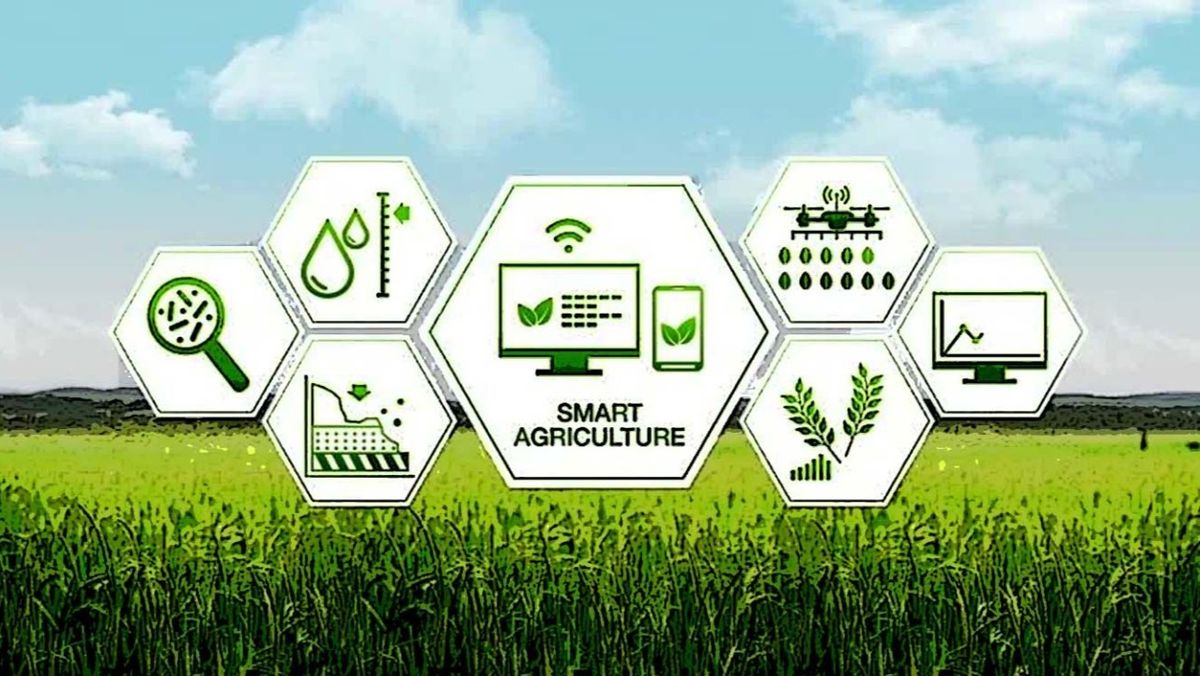
Technologies increasingly used in precision agriculture include:
Satellite imagery
Agricultural drones
Soil and weather sensors
GPS-guided farm equipment
Geographic Information Systems (GIS)
Artificial intelligence
Machine learning
Digital farm management platforms
These technologies can help farmers move from reactive decision-making toward more informed and predictive farm management.
How AI Is Being Used in Agriculture
Artificial intelligence is becoming particularly valuable because modern farms generate enormous amounts of data.
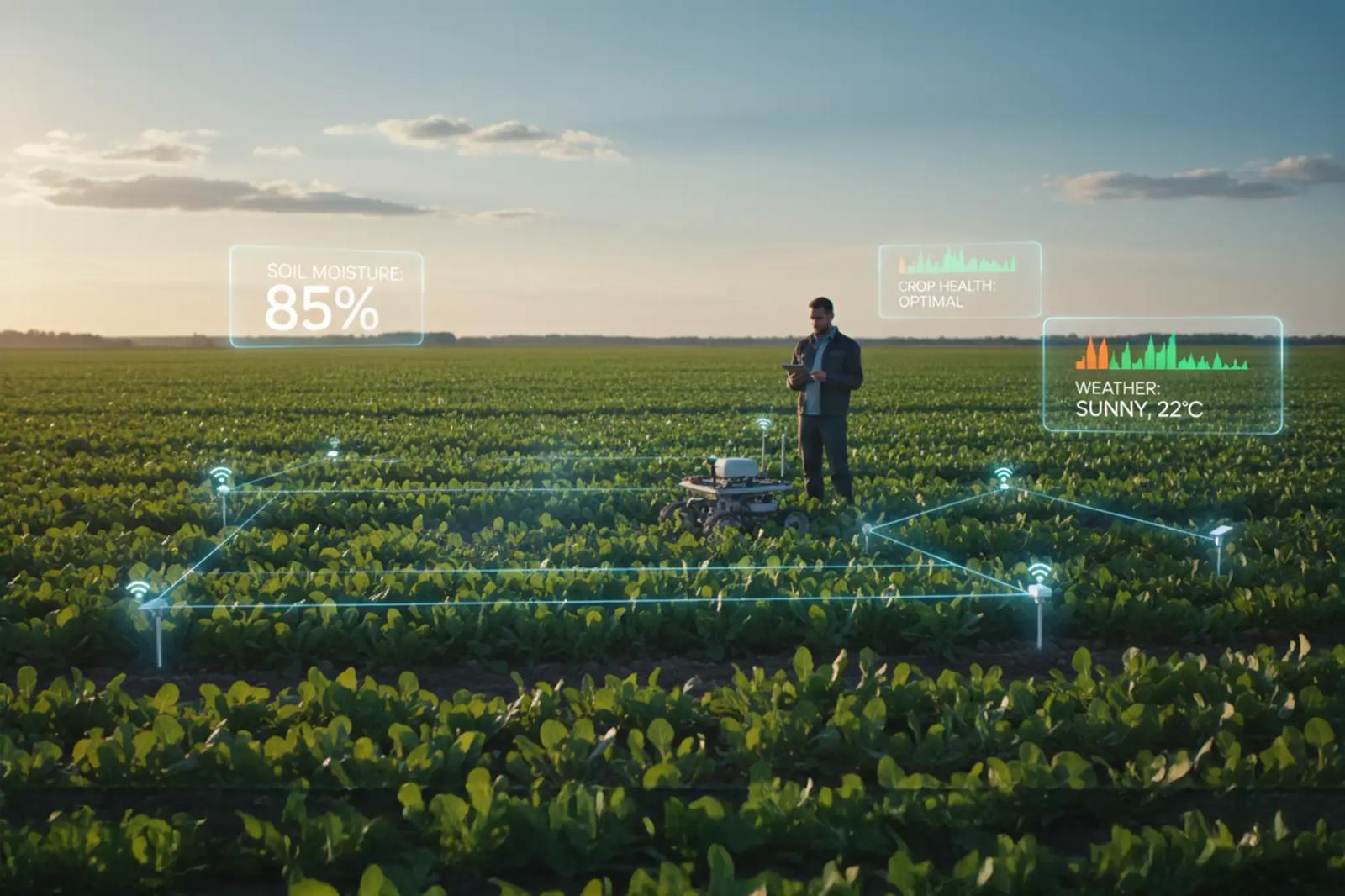
AI systems can analyze information from satellite images, weather stations, sensors, historical farm records, and crop-monitoring systems to identify patterns that may not be obvious through manual observation.
Potential applications include:
1. Crop Health Monitoring
Satellite imagery and drones can help identify areas of crop stress before problems become widespread.
Changes in vegetation, plant growth, and field conditions can provide useful information for identifying areas that may require further investigation.
2. Smarter Irrigation
Water management is becoming increasingly important as farmers face changing rainfall patterns and water constraints.
Combining soil moisture information, weather forecasts, crop requirements, and field data can help improve irrigation decisions and reduce unnecessary water use.
3. More Efficient Fertilizer Application
Precision agriculture can help identify variations in nutrient requirements across a farm.
Rather than applying the same amount of fertilizer everywhere, farmers can use field data to develop more targeted application strategies.
This can potentially reduce input waste while improving nutrient management.
4. Early Pest and Disease Detection
AI-powered image recognition and crop-monitoring technologies are increasingly being explored for identifying signs of pests and diseases.
Early detection gives farmers an opportunity to investigate problems sooner and potentially prevent them from spreading across larger areas.
Why Agricultural Consultancy Matters
Technology alone does not guarantee better agricultural results.
A farm can invest in drones, sensors, software, or AI tools and still fail to achieve meaningful results if the technology does not address the farm's actual challenges.
This is where agricultural consultancy becomes important.
Agricultural consultants can help farmers and agribusinesses determine:
Which technologies are appropriate for their operation
Where precision agriculture can provide the greatest return
How to interpret agricultural data
How to integrate technology into existing farm systems
Which investments should be prioritized
How technology can support long-term farm profitability